
Oil Control for Humid Weather: A Practical Guide
Humidity makes oil control harder. Here's what actually works for staying matte in hot, muggy conditions.
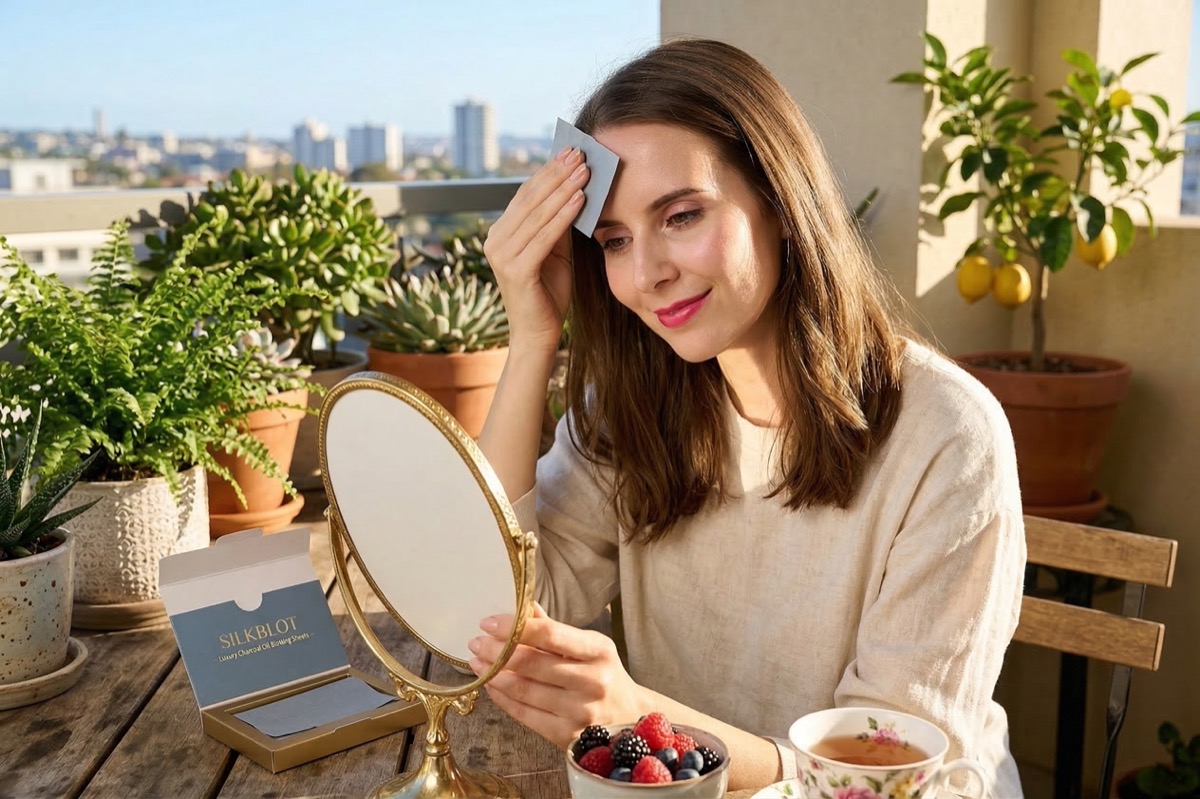
Summer is beautiful. Humidity is not. When the air is thick with moisture, your skin doesn't just produce more oil — the existing oil on your face mixes with environmental humidity and suddenly you're shiny in places you didn't even know could shine. Here's what's actually happening and what to do about it.
Why Humidity Makes Everything Worse
Your skin produces oil continuously — that's just how it works. Oil sits on the surface, and normally it stays relatively contained. But in humidity, the air is already saturated with moisture. That outer layer of oil on your skin becomes a surface for atmospheric moisture to cling to. Suddenly you're not just oily — you're shiny, and that shine looks wet rather than just greasy.
Worse: heavy humidity breaks down the film of your skincare and makeup faster. Products that would last 6 hours on a dry day might start sliding at 3. The combination of your natural oil plus environmental moisture plus product breakdown is the perfect storm for a midday shine crisis.
Product Layering — Less Is Often More
In humidity, the instinct is to add more products — more primer, more powder, more setting spray. This often backfires. Layering heavy products in humid conditions creates a sandwich that slides off faster, not slower.
Instead: scale back. Use one mattifying primer (not two). One layer of foundation or BB cream, not a thick full-coverage base. If you're using powder, use it only on your T-zone — your cheeks don't usually need it in humidity.
Blotting Frequency Changes
On a normal day, blotting 2–3 times might be enough. In high humidity, your skin is fighting a losing battle against atmospheric moisture, so you might need to blot every 2–3 hours instead of every 4–5. That's fine — adjust to what your skin actually needs rather than a fixed schedule.
Carry a small pack of blotting papers in your bag, your car, your desk — wherever you spend time. In humidity, accessibility matters because you'll need them more often. Our compact blotting paper formats fit anywhere.
Setting Spray Is Your Friend — Pick the Right One
A mattifying setting spray adds a thin layer that helps products stay in place. Look for formulas that say "matte" or "long-wear" — not "dewy" or "glow." Apply it as the final step of your morning routine and reapply lightly after blotting if you're doing a full makeup touch-up.
In very high humidity (80%+), a single well-applied layer of setting spray works better than multiple layers of powder. Press, don't spray-too-close — you want an even mist, not saturation.
Frequently Asked Questions
In high humidity, every 2–3 hours is reasonable for oily skin. You'll feel when it stops working — that's when you blot again. Don't wait for a specific schedule; let your skin tell you.
Yes, but choose a mattifying formula, not dewy. Apply a light layer before makeup, not just after. In very high humidity, a single well-applied layer of setting spray works better than multiple layers of product.
They do different things. Powder adds a layer that can slide off in humidity. Blotting paper removes the oil that's causing the problem. In very humid conditions, blot first, then lightly set with powder only on your T-zone if needed.