
Blotting Paper: Expert Opinions
Dermatologists and makeup artists share honest thoughts on blotting paper—no hype, no dismissal, just the practical truth.
Quick product match
For the practical, press-and-lift use pros recommend, compare PleasingCare formats by oil level, carry style, and touch-up routine before heading to Amazon.
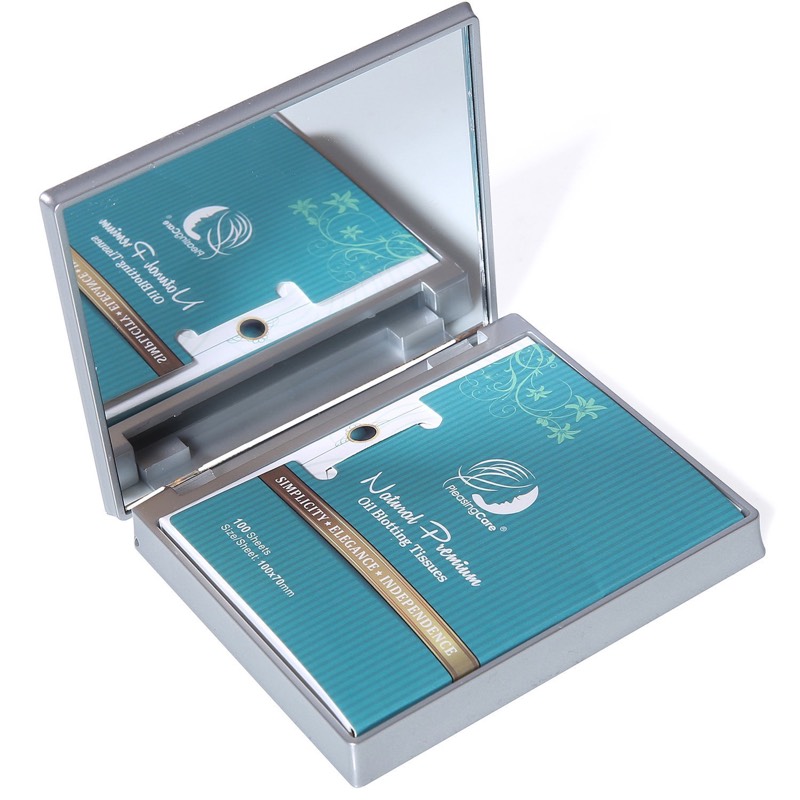
The conversation around blotting paper is as divided as they come: while some swear by its magic touch for greasy skin, others believe it just revs up oil production. So, what's the verdict from those who live and breathe skincare?
We've sifted through comments from dermatologists and makeup artists to uncover where they align.
What Dermatologists Say
Dermatologists generally give blotting paper a nod of approval.
Dr. Rachel Nazarian, a well-known dermatologist in New York, confidently calls blotting paper an underrated gem. "It's not your ticket to acne-free skin or a magic eraser that thins skin, but it's a reliable go-to when you want to freshen up your look quickly."
The UCSF skin research study backs her up, showing that swift removal of oxidized sebum—a dullness culprit—can leave your skin looking bright and refreshed.
Here's what dermatologists caution:
- Blotting paper isn't your skincare regime; think of it as a quick fix when oil needs taming—real oil control comes from your skincare staples like retinol, niacinamide, and salicylic acid.
- No aggressive scrubbing allowed! Vigorous rubbing can kick oil production into overdrive.
What Makeup Artists Say
If there's one group that loves blotting paper, it's pro makeup artists. Their feedback is practically glowing, albeit with a dose of realism.
Jena Fouchard, who works her magic on Hollywood sets, spills the beans: "For every shoot, I rely on blotting paper for models' T-zones. Unwanted shine under studio lights is a headache during editing, and blotting paper works faster than powders without messing with the makeup."
A wedding makeup artist from New York chimes in: "It's a lifesaver for brides dealing with those pre-ceremony jitters and sweats. Blotting paper is my secret weapon to nix oil without sabotaging the makeup."
Where Both Groups Agree
Despite their different angles, dermatologists and makeup artists see eye to eye on these truths:
- It's a quick fix, not a skincare revolution.
- Press it, don't rub it.
- Invest in quality—steer clear of paper that crumbles or smells perfumey.
- Oily skin types and makeup enthusiasts find it most effective.
- Use it when necessary; don't adhere to a rigid schedule.
What This Means for You
Blotting paper isn't a skincare miracle, nor is it a skin villain. It has a clear purpose: a quick, effective touch-up when you want to keep your look polished.
Consider it the hand sanitizer of skincare—a trusty sidekick akin to keeping your handwash routine intact at home, with sanitizer saving the day when you're out and about.
FAQ
Q: Do dermatologists recommend blotting paper for oily skin?
A: Typically, they won't put it on a pedestal, but they won't ban it either. Their advice? Use it, but don't depend on it for long-term oil control—rely on your daily skincare routine for that. Practical, middle-of-the-road advice.
Q: Which brands are favorites among makeup artists?
A: Makeup artists gravitate towards thick, absorbent options. Bamboo charcoal blotting papers are a hit, praised for soaking up oil without crumbling. Compact powder puff designs are also adored for their easy portability and cleanliness.
Q: Does blotting paper alter how skincare products absorb?
A: Not at all. It simply removes surplus surface oil without disturbing how your skin breathes or absorbs products. Plus, excess oil can form a barrier that hinders ingredient penetration—so strategic blotting might even enhance product effectiveness.