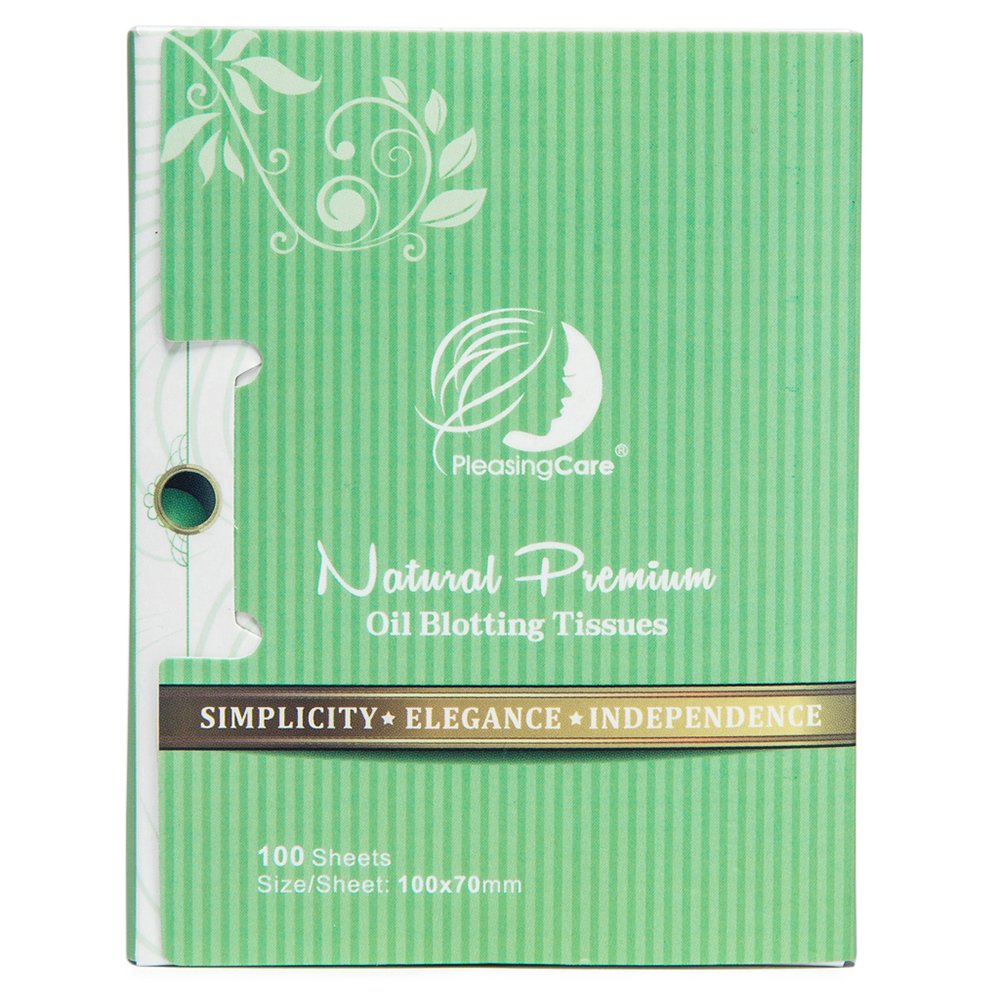
# The Ultimate Guide to Bamboo Charcoal for Oily Skin
**Picture this: You're heading into an afternoon meeting, and your skin feels slick again. You blot, but the shine returns within 30 minutes. You've tried powders, mattifying primers, and even those tiny oil-blotting sheets that seem to disappear after just a couple of swipes. Sound familiar? If you have oily or combination skin, you know the struggle is all too real. But here's the good news: Natural materials have a practical role that's been hiding in plain sight-bamboo charcoal. It's not just for purifying water or grilling; this black powder is used in simple oil-control routines. The best part? It works with your skin, not against it. Let's dive into why bamboo charcoal might be the missing piece in your oil-control puzzle.**
## What is Bamboo Charcoal and How Does it Work?
Bamboo charcoal starts its journey as-you guessed it-bamboo. However, the magic happens during processing. Mature bamboo is harvested and burned in a kiln at extremely high temperatures, often exceeding 800°C. The result? A lightweight, porous material that's been used for centuries in East Asian cultures for water filtration and even digestive health. In skincare, it's a relative newcomer, but it's already making waves.
So how does bamboo charcoal work on your skin? Think of it as a microscopic sponge. Each particle is filled with tiny pores-thousands of them. When you apply it to your face, these pores create a massive surface area that literally pulls excess sebum, dirt, and impurities from your pores. This isn't a chemical reaction; it's a physical one. The charcoal acts like a magnet for oil, trapping it inside its structure so it can be rinsed or blotted away.
What sets bamboo charcoal apart is its gentleness. Unlike harsh clay masks that can leave your skin feeling dry and tight, bamboo charcoal absorbs oil without stripping away your skin's natural moisture barrier. You know that uncomfortable feeling after using some mattifying products? Bamboo charcoal typically avoids that. It's selective-it targets excess oil without affecting the essential moisture your skin needs.
In practical terms, this means you can use charcoal-infused products daily without worrying about irritation. For example, a bamboo charcoal blotting paper can soak up 3-5 times more oil than a standard rice paper sheet. That's not just marketing hype; it's physics. The porous structure simply has more room to work with.
## The Science: Why Charcoal Absorbs Oil
Let's get a little nerdy for a moment. The secret to charcoal's oil-absorbing power lies in a concept called **adsorption** (note the "d"). Adsorption differs from absorption. When a sponge absorbs water, the water fills the sponge's internal cavities. However, adsorption is a surface-level phenomenon where oil molecules stick to the surface of the charcoal particles, held there by weak electrical forces known as van der Waals forces.
Why does this matter for oily skin? Your sebum is primarily made up of triglycerides, wax esters, and squalene. These molecules are non-polar, meaning they don't mix well with water. Charcoal, on the other hand, is hydrophobic (water-fearing) and lipophilic (oil-loving). So when oil molecules encounter charcoal, they're naturally attracted to it. It's like two magnets clicking together.
The result? A single gram of activated bamboo charcoal can boast a surface area equivalent to a football field-over 10,000 square feet! When you press a charcoal-infused blotting paper against your skin, that massive surface area goes to work instantly. Within 3-5 seconds, it can pull oil from your pores without the need for rubbing or scrubbing.
This is also why charcoal works so well in face masks. When you leave a charcoal mask on for 10-15 minutes, the particles have time to adsorb deeply embedded impurities. However, for daily oil control, blotting papers are more practical. They deliver immediate results without disrupting your routine.
From a skincare science perspective, charcoal doesn't "detox" your skin in a medical sense-there's no evidence it removes toxins from the bloodstream. However, it effectively removes excess surface oil that can make skin look shiny. That's a tangible benefit backed by basic chemistry.
## Bamboo Charcoal vs Activated Charcoal: What's the Difference?
You've probably seen both terms used interchangeably, but they're not exactly the same. Understanding the distinction can help you choose the right product for your skin.
**Activated charcoal** is a broad category. Any carbon-based material-wood, coconut shells, peat, or bamboo-can be "activated" by exposing it to high heat and a gas (like steam or carbon dioxide). This process creates the porous structure we discussed. While activated charcoal from coconut shells is common, bamboo charcoal has a unique advantage: its pore structure is more uniform and finer.
**Bamboo charcoal**, on the other hand, is a specific type of activated charcoal made exclusively from bamboo. The difference lies in the raw material. Bamboo grows rapidly-up to 3 feet per day-and its natural cellular structure is already highly organized. When processed correctly, bamboo charcoal retains this structure, resulting in particles that are more consistent in size and shape.
Why does this matter for your skincare routine? Uniform particles mean better performance. When you use a bamboo charcoal blotting paper, the charcoal is evenly distributed across the sheet, preventing patchy absorption-no more oily spots left behind. Coconut-based charcoal, by contrast, can have more irregular particles, which may not absorb as evenly.
Another key difference is that bamboo charcoal is naturally more porous. Studies suggest bamboo charcoal can have a surface area of 1,000-1,500 m²/g, compared to 800-1,200 m²/g for coconut-based charcoal. That's 20-30% more oil-absorbing capacity.
In practical terms, this means a bamboo charcoal product can work faster and last longer. One blotting session with bamboo charcoal might absorb what would take two passes with a standard sheet. For oily skin, that's a game-changer.
## Bamboo Charcoal Blotting Paper: Real Benefits
Let's get practical and talk about the best way to use bamboo charcoal daily: blotting papers. You might be wondering, "Aren't all blotting papers basically the same?" Not even close. Here's what makes bamboo charcoal blotting papers stand out.
**Benefit #1: Oil absorption.** As we discussed, the porous structure of bamboo charcoal allows it to absorb significantly more oil than paper or rice-based sheets. One sheet is designed to lift visible surface oil with a quick press.
**Benefit #2: No powder residue.** Some blotting papers are coated with loose powder to mattify the skin, but this can leave a white cast or cakey appearance. Bamboo charcoal papers are typically powder-free. They absorb oil through adsorption, not by adding a layer of powder, keeping your skin looking matte but natural.
**Benefit #3: Gentle on skin.** Standard blotting papers can be abrasive if you press too hard. Bamboo charcoal papers are softer and more flexible, conforming to your skin's contours without dragging or pulling. This is especially important for those with sensitive or acne-prone skin.
**Benefit #4: Portable and discreet.** A pack of bamboo charcoal blotting papers fits right into your pocket or purse. Use them at your desk, after a workout, or before heading out on a date. Just press the sheet against your T-zone for 5-10 seconds-no mirror needed, although our [mirror case](/mirror-case/) makes it easier to see what you're doing.
**Real-life scenario:** Sarah works in a busy open-plan office. By 2 PM, her forehead and nose are shiny. She excuses herself to the restroom, pulls out a bamboo charcoal blotting paper, and gently presses it against her skin. In just 8 seconds, the oil is gone. She doesn't need to reapply powder or touch up her makeup. Her skin looks fresh for the rest of the afternoon.
## How to Add Bamboo Charcoal to Your Skincare Routine
Ready to try bamboo charcoal? Here's a straightforward, step-by-step guide to incorporating it into your daily routine without overwhelming your skin.
**Step 1: Start with cleansing.** Use a bamboo charcoal cleanser 2-3 times a week, not daily. Charcoal can be drying if overused. Massage the cleanser into damp skin for 60 seconds, then rinse with lukewarm water. Follow up with a hydrating toner to restore your skin's pH balance.
**Step 2: Blot strategically.** Keep a pack of bamboo charcoal blotting papers in your bag. Use them every 2-3 hours if you have very oily skin, or just once midday for combination skin. Don't rub; instead, press and hold for 5 seconds. This adsorbs oil without disturbing your makeup.
**Step 3: Use a charcoal mask weekly.** Apply a bamboo charcoal mask to your T-zone once a week. Leave it on for 10-15 minutes until it dries, then rinse with warm water and apply a lightweight moisturizer. This helps control oil production over time.
**Step 4: Pair with complementary formats.** If you prefer a light fresh scent, compare bamboo charcoal with our [green tea](/green-tea/) blotting sheets. For storage and on-the-go touch-ups, consider a [puff case](/puff-case/).
**Step 5: Listen to your skin.** If you notice any dryness or irritation, reduce the frequency of use. While bamboo charcoal is gentle, everyone's skin is different. Start with once-a-week use and adjust as needed.
**Pro tip:** If sunscreen leaves a shiny finish, let it set first, then use a light press with blotting paper only where excess surface oil appears. Avoid rubbing so you do not disturb your sunscreen layer.
## Conclusion
Bamboo charcoal blotting paper is a practical tool for managing visible shine during the day. Its porous structure helps lift excess surface oil with a simple press-and-lift motion. Whether you're blotting at your desk or packing a small touch-up kit, it fits easily into a routine for oily or combination skin.
Ready to simplify your oil-control routine? Explore our full range of bamboo charcoal products at [our charcoal collection](/charcoal/). Your skin-and your confidence-will thank you.
## Frequently Asked Questions
### Does bamboo charcoal actually work for oily skin?
Yes. Bamboo charcoal has a highly porous structure with millions of tiny micropores that physically trap oil molecules. This isn't just surface absorption-it's active capture of excess sebum.
### What's the science behind charcoal skincare?
Charcoal's effectiveness comes from adsorption-the process by which charcoal's porous structure attracts and holds oil molecules to its surface. Activated bamboo charcoal has an even higher surface area than regular charcoal.
### Bamboo charcoal vs activated charcoal-What's the difference?
Both work through adsorption, but bamboo charcoal is sourced from bamboo plants (a renewable resource) and has micropores optimized for skincare. Activated charcoal is typically coconut-based and processed differently.
### How long does bamboo charcoal take to work?
Immediately. When you press bamboo charcoal blotting paper against your skin, it starts absorbing oil within seconds. You'll see the sheet darken as it captures oil and impurities.
### Are charcoal products safe for daily use?
Yes, bamboo charcoal is inert and non-irritating. Unlike some harsh oil-control ingredients, it's gentle enough for daily use on all skin types-including sensitive skin.
Shop This Post
Ready for Oil-Free Confidence?
Shop PleasingCare's full range of blotting papers and find your perfect match.
Shop on Amazon