
Blotting Paper Before Concealer Touch-Ups
A practical guide to blotting paper before concealer touch-ups when you want shine control that still feels light, realistic, and easy to repeat.
Last updated: 2026-06-24
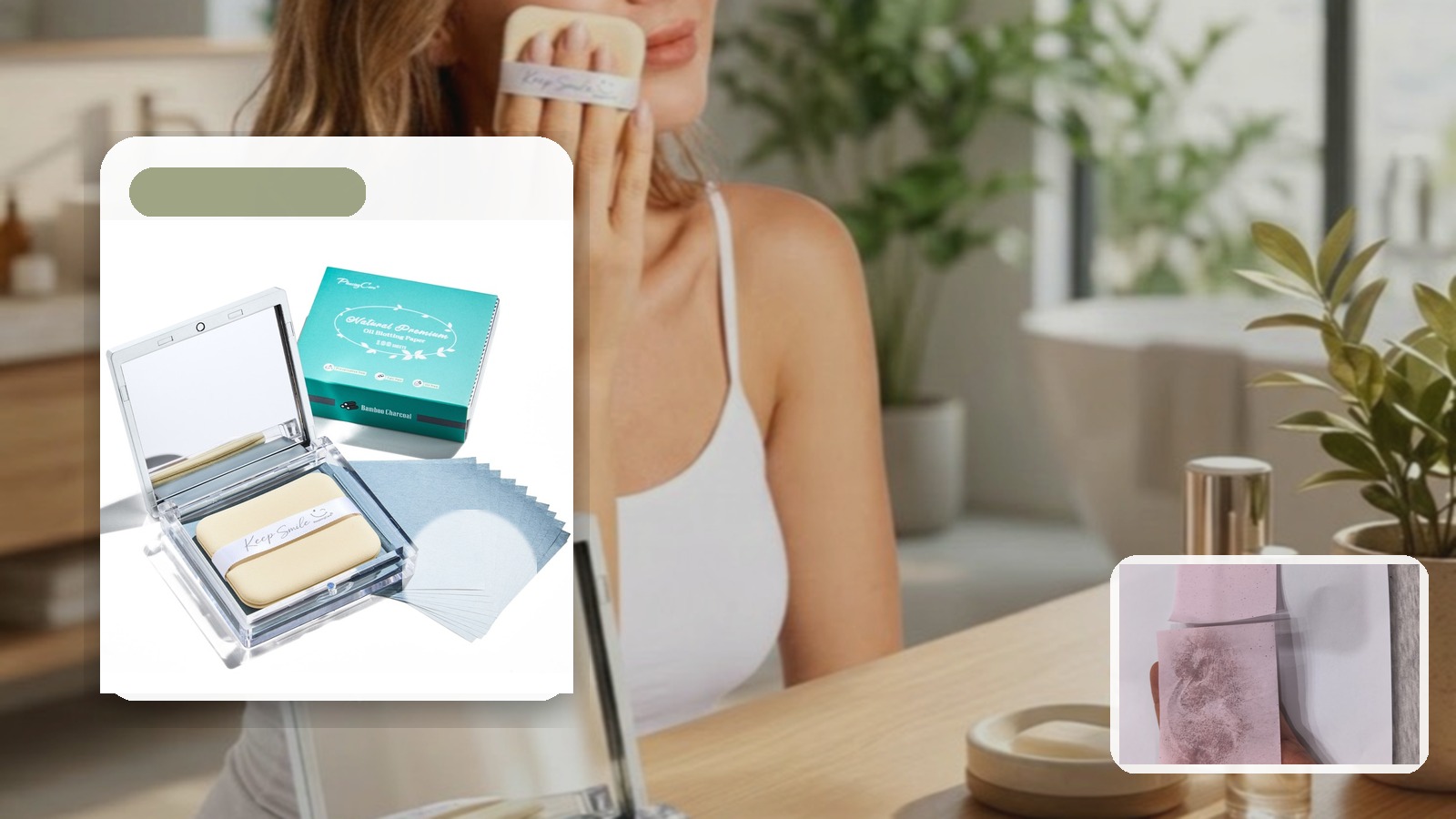
Quick answer
Use blotting paper before concealer touch-ups by pressing oil away first, waiting a few seconds, then adding concealer only where coverage actually faded. Puff Case, Mirror Case, Bamboo Charcoal, and Green Tea each fit a different vanity, purse, desk, or event routine.
Why concealer touch-ups can need a lighter oil-control plan
Concealer touch-ups can go wrong when oil is treated like missing coverage. Around the nose, chin, blemishes, and under-eye edges, surface oil can make coverage look broken even when the real problem is slip, not lack of product.
Blotting paper gives you a cleaner first step. Pressing one sheet onto the shiny area removes the surface oil before you add concealer, powder, or setting spray. That keeps the touch-up smaller and helps you avoid building a thick layer over a slick base.
A practical blot-before-concealer routine
- Check the exact area that looks broken. For most people this is beside the nose, on the chin, around a blemish, or where under-eye concealer meets the cheek.
- Press blotting paper for 3-5 seconds. Keep the sheet still so oil lifts without dragging foundation, sunscreen, or concealer.
- Wait a few seconds before adding product. Many spots look cleaner after blotting alone.
- Add concealer only where coverage actually faded. Tap a tiny amount on the spot instead of repainting a full area.
- Set lightly only if needed. Powder should finish the touch-up, not cover oil that should have been blotted first.
Quick product match for concealer touch-ups
For concealer routines, the best product path is the one that helps you pause before layering more makeup over oil.
Where the routine usually changes before concealer
How Puff Case fits the routine
Puff Case makes sense here because concealer touch-ups usually happen next to other makeup steps. A compact format fits the moment when you want to blot first, then decide whether a small amount of concealer or powder is still needed.
The bigger win is restraint. When blotting is already in the same pouch as your concealer, you are less likely to cover oil with more product and more likely to keep the finish clean.
Common mistakes that make touch-ups look heavier
- Skipping blotting and going straight to powder. That often traps oil under the extra layer.
- Adding concealer over oil. This can make the new layer slide, separate, or look thicker than planned.
- Rubbing near existing coverage. Friction can move foundation, concealer, blush, or sunscreen.
- Re-covering the whole area. Spot-correct only where coverage actually faded.
- Forgetting the mirror check. Concealer touch-ups are small; a quick look helps avoid adding product where blotting was enough.
Which PleasingCare format fits concealer touch-ups
For concealer touch-ups, choose the format that helps you pause before layering. Puff Case works well in a makeup pouch, Mirror Case helps with precise checks, and Bamboo Charcoal is the simplest blot-first option.
If your routine changes between desk, purse, travel bag, and events, compare the full product page before choosing one carry style.
Related product links and next reads
Compare Puff Case for makeup-pouch touch-ups, Mirror Case for precise checks, and PleasingCare products for every sheet and compact format.
Related reading: blotting paper over foundation, how to control oil without ruining makeup, how to blot without ruining makeup, blotting before powder, and touch up matte makeup without powder.
FAQ
Why does concealer touch-ups make shine look stronger?
Oil can sit between skin and concealer, especially around the nose, chin, and under-eye edges. If you add concealer before removing that oil, the new layer can look patchy or heavier.
Should I use blotting paper or concealer first?
Start with blotting paper when visible oil is the main issue. It gives you a cleaner read on whether concealer is still worth adding afterward.
Can makeup wearers use this routine without makeup?
Yes. The same press-and-lift method works on bare skin, sunscreen, foundation, or concealer because the goal is to remove surface oil without dragging product around.
Which PleasingCare option fits concealer touch-ups best?
Puff Case fits makeup-adjacent touch-ups, while Mirror Case helps when you need to check small coverage areas before adding more concealer.
Will blotting paper make my skin feel dry?
A light press on the oily areas should not make the whole face feel dry. Keep the routine targeted and avoid touching parts of the face that already feel comfortable.
Keep concealer touch-ups lighter
Compare PleasingCare sheet packs and compact cases for cleaner blot-first makeup touch-ups before concealer, powder, photos, or events.
Shop on Amazon