Blotting Paper for Combination Skin
A practical guide to blotting paper for combination skin when you want shine control that still feels light, realistic, and easy to repeat.
Last updated: 2026-06-24
Quick answer
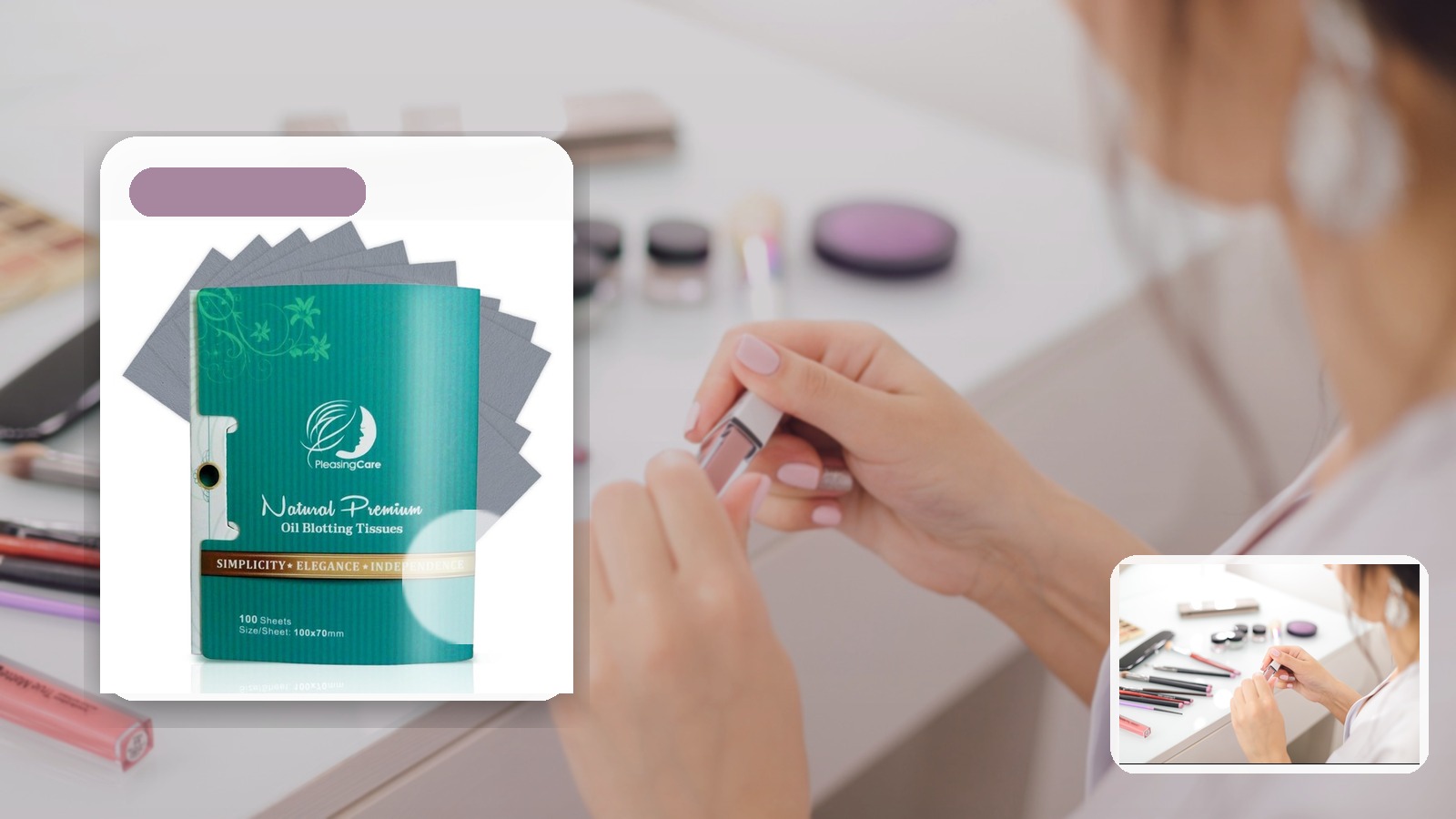
Use blotting paper for combination skin by pressing only on oily zones, usually the forehead, nose, and chin, while leaving comfortable cheeks alone. Bamboo Charcoal, Green Tea, Mirror Case, and Puff Case each fit a different T-zone, bag, mirror-check, or makeup-adjacent routine.
Why combination skin can need a lighter oil-control plan
Combination skin is not a whole-face oil problem. The forehead, nose, and chin may look shiny while the cheeks still feel comfortable or even dry. That is why a full-face powder touch-up can make the balanced areas look heavier than they need to.
Blotting paper works well for combination skin because it is local. You can press one sheet only on the T-zone, leave comfortable cheeks alone, and decide afterward whether powder, concealer, or another step is actually needed.
A practical combination skin blotting routine
- Map the oily zones first. Start with the forehead, nose, and chin instead of assuming the cheeks need the same treatment.
- Press for 3-5 seconds on the T-zone. Keep the sheet still so oil lifts without dragging sunscreen, skincare, or makeup.
- Leave comfortable areas alone. If cheeks already feel balanced, do not blot them just because the sheet is in your hand.
- Use powder only where the finish still needs it. Blotting first prevents powder from building up over oil.
- Keep the format near real touch-up moments. A desk drawer, work bag, school bag, car pouch, or travel kit makes targeted blotting easier to repeat.
Quick product match for combination skin
For combination skin, match the product to the oily zones instead of choosing a whole-face touch-up.
Where the routine usually changes for combination skin
How Bamboo Charcoal fits the routine
Bamboo Charcoal makes sense when combination skin leans oilier in the T-zone. It is a simple unscented option for the forehead, nose, and chin, especially on humid days, long workdays, or makeup days when powder over oil can look heavy.
For lighter daily shine, Green Tea can also fit combination skin when your skin tolerates scent. The bigger rule is the same either way: blot the oily zones and let the comfortable zones stay comfortable.
Common mistakes that make touch-ups look heavier
- Skipping blotting and going straight to powder. That often traps oil under the extra layer.
- Blotting the whole face by habit. Combination skin usually needs zone-by-zone care, not a blanket reset.
- Rubbing instead of pressing. Friction can disturb sunscreen, base makeup, or dry-feeling cheeks.
- Ignoring the cheeks. If cheeks feel tight or comfortable, leave them alone and focus on the T-zone.
- Leaving the sheets in the wrong place. If they are not near school, work, travel, or makeup touch-up moments, the routine breaks down.
Which PleasingCare format fits combination skin
Combination skin is about choosing the right format for the oily zones while leaving balanced zones alone.
Choose Bamboo Charcoal for stronger unscented T-zone shine, Green Tea for lighter daily carry, or a compact case if you need mirror checks or makeup-adjacent touch-ups.
Related product links and next reads
Compare Bamboo Charcoal for stronger unscented T-zone shine and Green Tea for lighter daily carry. Use the PleasingCare products page to compare sheet formats, compact cases, scents, and multipacks.
Related reading: how often to use blotting paper, blotting paper without makeup, blotting paper for oily nose, blotting paper for forehead shine, and blotting paper for sensitive skin.
FAQ
Why does combination skin make shine look stronger?
Combination skin usually has oilier areas, such as the forehead, nose, and chin, while the cheeks may feel normal or dry. Shine looks stronger when you treat the whole face the same instead of targeting only the oily zones.
Should I use blotting paper or powder first?
Start with blotting paper when visible oil is the main issue. It gives you a cleaner read on whether powder is still worth adding afterward.
Can people with combination skin use this routine without makeup?
Yes. The press-and-lift method works on bare skin too, because the point is to remove surface oil without turning the routine into something complicated.
Which PleasingCare option fits combination skin best?
Bamboo Charcoal is a strong unscented choice for oilier T-zones, while Green Tea fits lighter daily shine when your skin tolerates a fresh-scented sheet.
Will blotting paper make my skin feel dry?
A light press on the oily areas should not make the whole face feel dry. Keep the routine targeted and avoid touching parts of the face that already feel comfortable.
Keep combination skin touch-ups lighter
Compare PleasingCare sheet packs and compact cases for cleaner T-zone shine control without overworking comfortable areas.
Shop on Amazon