
Best Blotting Paper for Sensitive Skin: Unscented Picks
A gentle blotting paper guide for reactive skin, fragrance-free routines, makeup days, and quick T-zone touch-ups.
Last updated: 2026-07-07
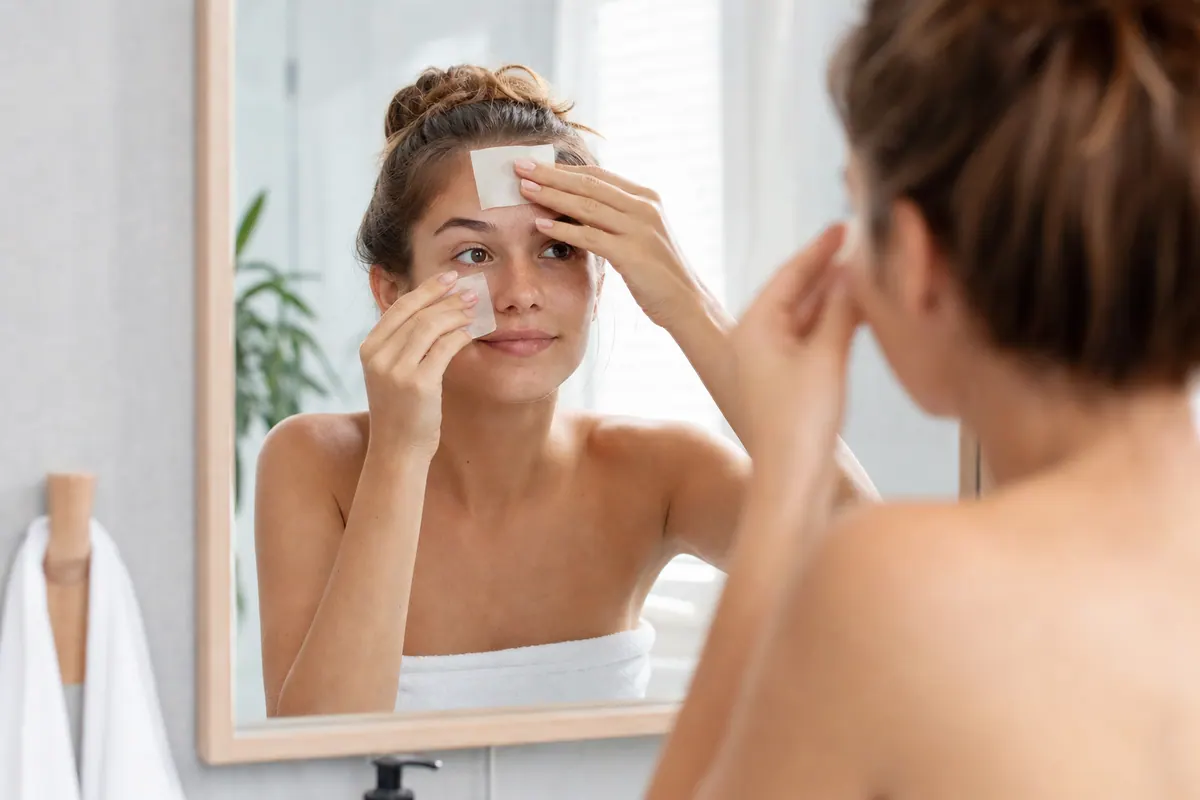
Quick answer
For sensitive skin, choose unscented blotting paper, press instead of rubbing, use each sheet once, and stop once visible shine is reduced. Patch test first if your skin reacts easily.
Quick product match
Best blotting paper approach for sensitive skin
The best blotting paper approach for sensitive skin is boring in the best way: choose a soft sheet, avoid unnecessary fragrance when that is a trigger, press instead of rubbing, and stop once visible shine is reduced.
Sensitive skin often reacts less to the idea of oil control and more to friction, fragrance, rough texture, and repeated touching. That is why the way you use blotting paper matters as much as the sheet you choose.
The goal is simple: remove visible surface oil without scrubbing the face, over-drying comfortable areas, or layering more product on top of irritation-prone skin.
Best short answer
For sensitive skin, start with unscented blotting paper, use light pressure, and press only where shine is visible. If fragrance is a trigger, Bamboo Charcoal is the simplest PleasingCare starting point because it is the fragrance-free option. You can compare every gentle format on the products page.
Best product choice for sensitive skin
Choose Bamboo Charcoal first if your sensitive skin reacts to fragrance or heavy product layers. It is the simplest PleasingCare option for fragrance-free T-zone oil control, especially when you want to avoid adding powder, perfume, or extra leave-on texture.
Choose Mirror Case if you need to check shine before blotting so you touch only the forehead, nose, or chin. Use the PleasingCare products page when you want to compare unscented sheets, light-scent sheets, compact cases, and multipacks before choosing.
Quick product match for sensitive skin
If your skin is reactive, start with the simplest option and change only one part of the routine at a time. A fragrance-free sheet is usually the lowest-fuss place to begin.
If you already know your skin tolerates light scent, Green Tea can be a pleasant daily-carry option. If you are unsure, choose unscented first and keep the routine boring in the best possible way.
What to look for in a sensitive-skin blotting sheet
- Unscented or low-fragrance choices when fragrance is a known trigger for your skin.
- A soft sheet texture that can press flat against the T-zone without scratching.
- No heavy lotion coating if your skin reacts easily to extra leave-on ingredients.
- Simple daily carry so you can use a clean sheet instead of tissues, sleeves, or repeated powder.
- Fresh sheets only because reusing oil-soaked paper can move oil and debris back onto the face.
A gentle press-and-lift routine
- Wash or sanitize hands first. Sensitive skin usually does better with less transferred residue.
- Check only the shiny areas. Most people need the forehead, nose, or chin, not the whole face.
- Press the sheet flat for 3-5 seconds. Let the paper pick up surface oil.
- Lift straight off. Avoid rubbing back and forth.
- Stop once the shine is reduced. Do not keep blotting skin that already feels comfortable.
Patch-test first if your skin reacts easily
A simple patch test can save your face from a bad surprise. Press one sheet on a small area near the jawline or inner arm, wait, and check whether the skin feels itchy, warm, red, or uncomfortable.
If the test area reacts, do not use that sheet on your face. If the test area feels normal, try the sheet on one shiny area first before making it part of your daily routine.
What to avoid
- Rubbing. Friction is one of the fastest ways to make reactive skin look angrier.
- Reusing sheets. Once a sheet has oil on it, throw it away.
- Blotting dry areas. Keep the routine targeted to visible shine.
- Using blotting paper as skincare treatment. It helps with surface oil, but it does not replace cleanser, moisturizer, sunscreen, or advice from a dermatologist.
- Adding powder before removing oil. If you wear makeup, blot first so powder is less likely to look thick.
Product links and related sensitive-skin reading
For the simplest sensitive-skin starting point, compare Bamboo Charcoal. If your skin tolerates a lighter fresh option, compare Green Tea. For controlled touch-ups away from home, see Mirror Case, or compare every format on the PleasingCare products page.
Related reading: are blotting papers good for acne-prone skin, can you use blotting paper without makeup, how often should you use blotting paper, blotting paper vs tissue, and best oil blotting paper for oily skin.
For makeup days, read how to use blotting paper over foundation, should you blot before powder, and how to control oil without ruining makeup.
FAQ
Is blotting paper safe for sensitive skin?
It can be a good fit when you choose a gentle sheet and press instead of rubbing. Avoid fragrance, rough texture, and reusing sheets.
What is the best blotting paper for sensitive skin?
The best starting point is usually an unscented oil blotting sheet with a soft texture. Press lightly, avoid rubbing, use each sheet once, and patch test first if your skin reacts easily.
What kind of blotting paper is best for sensitive skin?
A simple unscented sheet is usually the safest starting point. Bamboo Charcoal is a practical fragrance-free option, while Green Tea fits people who prefer a light fresh-scented sheet and know their skin tolerates it.
Which PleasingCare blotting paper should sensitive skin try first?
Try Bamboo Charcoal first if your sensitive skin reacts to fragrance or heavy product layers. It is the unscented PleasingCare sheet option for simple T-zone oil control, and the Products page compares every gentle format together.
Is unscented blotting paper better for sensitive skin?
Often yes, especially if fragrance is a trigger. Unscented blotting paper keeps the routine simpler and reduces one common source of irritation concern.
What is a fragrance-free blotting paper option from PleasingCare?
PleasingCare Bamboo Charcoal is the fragrance-free option for people who want a simple unscented sheet for T-zone oil control.
Can blotting paper irritate sensitive skin?
It can if you rub, press too hard, reuse a sheet, or choose a scented or rough paper. Use light pressure and stop if skin feels uncomfortable.
Should I patch test blotting paper?
Yes, if your skin is reactive. Press a sheet on a small area first, wait, and check for redness or itching before using it widely on the face.
How often should sensitive skin use blotting paper?
Use it only when visible shine appears. One or two careful touch-ups is often enough; do not blot comfortable areas just because a sheet is nearby.
Choose a gentler shine-control routine
Compare Bamboo Charcoal, Green Tea, Mirror Case, Puff Case, and sheet packs before choosing a sensitive-skin-friendly touch-up format.